
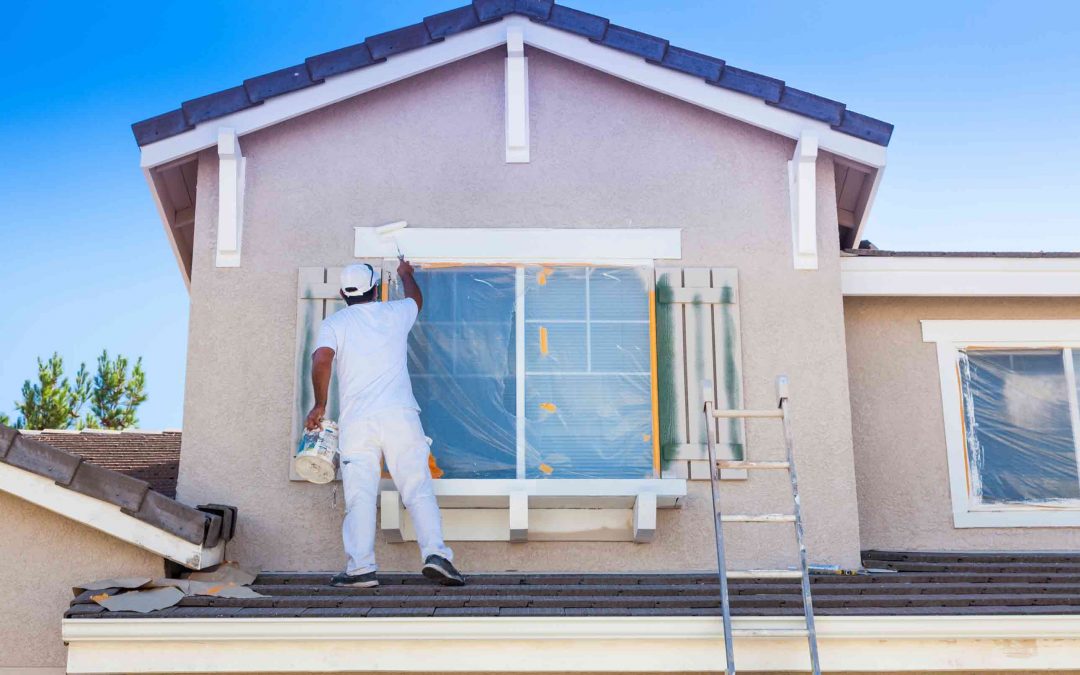
A fresh coat of paint can make a big difference to the outside of your home. But if the walls aren’t properly prepared, even good-quality paint can start peeling, flaking or looking patchy sooner than expected.
In Plymouth and across Devon and Cornwall, exterior walls face plenty of rain, wind and damp conditions. Whether your house has painted render, brickwork or pebbledash, taking the time to prepare the surface and choosing the right weather can help your paintwork last longer.
Here’s a step-by-step guide to preparing and painting exterior house walls.
Step 1: Check the Condition of Your Outside Walls
Before cleaning or painting, take a good look around the outside of your property.
Check for:
- Cracks in rendered walls or brickwork
- Loose or crumbling mortar between bricks
- Areas where the render is loose or coming away
- Leaking gutters or downpipes leaving marks on the walls
- Damp patches, peeling paint or signs of water damage
If you notice any of these problems, it’s important to deal with them before painting.
A fresh coat of paint might cover minor marks, but it won’t fix damaged render or stop water getting through cracks. Painting over these problems can lead to bubbling and peeling later.
Step 2: Clean the Walls Thoroughly
Over time, outside walls collect dirt, algae, moss and other green growth, particularly in shaded areas or on walls that receive little sunlight.
These need to be removed before applying fresh paint.
Depending on the condition of the surface, cleaning may involve:
- Brushing away loose dirt and debris
- Removing peeling or flaking paint
- Washing down the walls using a suitable cleaning method
- Treating algae, moss or mould with an appropriate exterior wall cleaner
- Rinsing and allowing the walls to dry
Pressure washing can help remove stubborn dirt, but it must be done carefully. Using too much pressure on older brickwork, damaged render or loose mortar can cause further damage.
Professional power washing services can help prepare exterior walls for painting by removing built-up dirt and growth using a method suitable for the surface.
Step 3: Repair Cracks and Damaged Areas
Once the walls are clean, check whether any repairs are needed.
Small cracks in render may need filling, while damaged sections may require patching. If the mortar between bricks is loose or missing, repointing may be necessary.
The right repair material will depend on the type and age of the wall.
It’s also important to allow repaired areas to dry and cure properly before painting. Applying paint too soon can leave an uneven finish or cause problems with how well the paint sticks.
For older properties, particularly those with traditional lime render, it’s worth getting advice on suitable repair materials and breathable paint finishes.
Step 4: Allow the Outside Walls to Dry
One of the most common mistakes when painting exterior house walls is starting before the surface is completely dry.
Even if a wall looks dry, moisture may still be trapped within the render or brickwork after rain or washing.
Painting over damp surfaces can cause the new coating to blister, peel or lose adhesion.
In Plymouth and the surrounding areas, where wet weather is common, it’s sensible to plan the work around a spell of settled, dry weather.
Always follow the drying requirements for the paint you’re using rather than relying on how the wall looks.
Step 5: Choose the Right Exterior Wall Paint
Not all exterior paints are suitable for every type of wall.
For many rendered, brick or concrete surfaces, a good-quality masonry paint is commonly used. This is simply the name given to paint designed for suitable exterior mineral surfaces.
When choosing paint, consider:
- Surface type: Render, brickwork, pebbledash and concrete may have different requirements.
- Weather resistance: Exterior paint should be suitable for exposure to rain and changing temperatures.
- Breathability: Some walls need a coating that allows moisture vapour to escape.
- Existing paintwork: The new paint must be compatible with any coating already on the wall.
- Finish and colour: Choose a finish that complements the property and its surroundings.
Some bare, chalky or highly absorbent surfaces may also need a suitable primer or stabilising solution before painting.
Always check the manufacturer’s instructions to make sure the chosen product is appropriate for your walls.
Step 6: Apply the Paint Evenly
Once the walls are clean, repaired and completely dry, painting can begin.
Many exterior wall paints require two coats for a good, even finish, although the exact application method depends on the product.
A long-pile roller can help with textured surfaces such as render or pebbledash, while a brush is useful around windows, doors, corners and other detailed areas.
Work carefully across the wall, keeping a consistent finish and avoiding overly thick coats.
Allow the first coat to dry for the time recommended by the manufacturer before applying the second.
For example, Emperor Paint’s product guidance specifies a minimum of eight hours between coats for its exterior wall paint at 20°C. Drying can take longer in cooler conditions.
When Is the Best Time to Paint Outside Walls in the UK?
The weather makes a big difference to how well exterior paint dries and performs.
For most standard exterior wall paints, late spring through to early autumn offers a better chance of suitable conditions. However, it’s the actual weather rather than the month that matters.
Before painting, consider the following:
- Temperature: Many standard masonry paints require temperatures of at least 5°C, although limits vary by product.
- Rain: Avoid painting if rain is expected before the coating has had enough time to dry and gain rain resistance.
- Strong sunlight: Direct sunlight on a hot wall can cause paint to dry too quickly.
- Morning dew: Walls may still be damp in the morning, even when it hasn’t rained overnight.
- Wind: Strong winds can make painting more difficult and blow dust or debris onto fresh paint.
According to Tikkurila’s exterior paint guidance, its masonry paint should not be applied below 5°C or above 25°C, and the new coating should be protected from rain for at least 48 hours.
Some specialist exterior paints can be applied at lower temperatures, but it’s essential to follow the instructions for the particular product.
Can You Paint Outside Walls in Winter?
It may be possible with a suitable specialist paint and the right conditions, but winter is generally a more difficult time for exterior painting.
Lower temperatures, frequent rain, damp surfaces and shorter daylight hours can all affect preparation and drying.
For most homeowners, planning the work during a suitable dry spell in spring, summer or early autumn is the more practical option.
Should You Paint Exterior Walls Yourself or Hire a Professional?
Painting a small, accessible garden wall may be manageable as a DIY project, provided the surface and paint are suitable.
Painting the outside of an entire house is a bigger job.
Upper floors can require specialist access equipment, while damaged render, uneven surfaces and changing weather conditions can make the work more complicated.
Hiring an experienced exterior painting team can help with surface preparation, choosing suitable materials and achieving an even finish.
At Stone Cross Paving Ltd, we provide exterior painting services across Plymouth, Devon and Cornwall.
We also offer power washing and garden wall services, helping homeowners improve and maintain different parts of their property’s exterior.
You can also explore our project gallery to see examples of our work.
Give Your Home’s Exterior a Fresh Look
A well-painted exterior can improve your home’s appearance while helping to protect suitable wall surfaces from the elements.
The key is proper preparation: cleaning away dirt and algae, dealing with damaged areas, choosing suitable paint and waiting for the right weather.
If your outside walls are looking tired, faded or weathered, Stone Cross Paving Ltd can help.
Contact us for a free, no-obligation quote for exterior painting in Plymouth, Devon or Cornwall.
Frequently Asked Questions
What type of paint should I use on exterior house walls?
For many rendered, brick and concrete walls, exterior masonry paint is suitable. However, the right product depends on the surface, existing coatings and condition of the wall. Older properties may need specialist breathable finishes.
How long does exterior house paint last?
This depends on the paint used, the condition of the walls, preparation and exposure to the weather. Well-prepared and properly painted walls generally last longer than surfaces painted without suitable cleaning or repairs.
Can you paint over pebbledash?
Yes, pebbledash can often be painted if it’s in good condition and properly prepared. Because of its rough texture, it may require more paint than a smooth rendered wall.
Can you paint straight over old exterior paint?
You can repaint some previously painted exterior walls, provided the existing coating is sound, clean, dry and compatible with the new paint. Loose or flaking paint should be removed first.
Can garden walls be painted in the same way as house walls?
Some of the preparation steps are similar, but garden walls can have different moisture problems. Freestanding walls and retaining walls may need specialist preparation or coatings. Always check that the paint is suitable for the particular wall.