
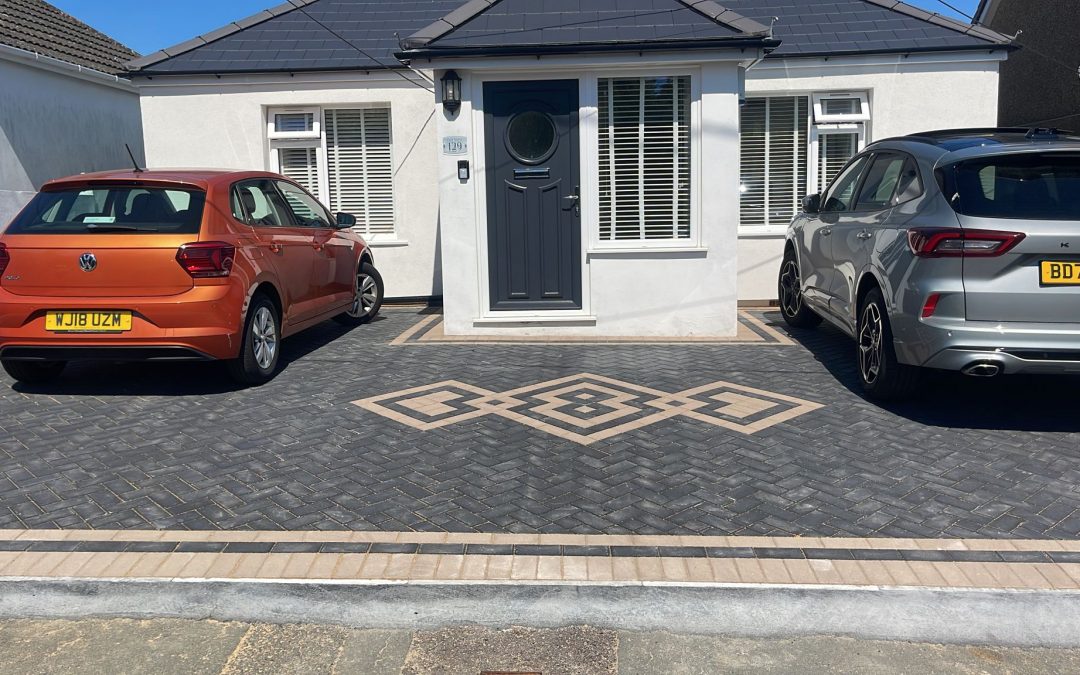
It’s a question we hear a lot once the clocks go back. “We’d love the new driveway done before Christmas. Is that realistic?”
Sometimes, yes. Sometimes it’s far better to wait a few months. The honest answer depends almost entirely on which surface you’re having and on the weather in the week of the job. Here’s how it works for driveways in Plymouth and the surrounding area.
The short answer
|
Surface |
Winter install? |
What decides it |
|
Block paving |
Often, yes |
Dry, unfrozen ground and no frost on laying days |
|
Tarmac |
Sometimes |
Dry weather and the material staying hot enough to compact |
|
Gravel |
Usually, yes |
Ground not waterlogged; base can be compacted |
|
Resin bound |
Usually best to wait |
Needs dry surfaces and temperatures above minimum for curing |
Why winter makes driveways harder
Three things cause problems:
- A wet base can’t be compacted properly, and many materials won’t bond or cure on a damp surface.
- Some materials need warmth to set, and frost can damage work that hasn’t cured.
- Short days. Less daylight means fewer working hours, so jobs take longer.
The South West’s winters are often more wet than frozen. That helps with some surfaces and hinders others.
Block paving: often fine in winter
Block paving is laid dry, on a compacted sub-base and a sand bed, with no curing involved. That makes it one of the more winter-friendly options.
The catch is the ground. You can’t build a good sub-base on waterlogged or frozen soil, and laying-course sand needs to be workable. On a dry, cold week, block paving can usually go ahead. After days of heavy rain, a good installer will wait rather than compact a soaking base.
If you’re weighing block paving against other options, our block paving vs tarmac comparison is worth a read.
Tarmac: possible, with care
Tarmac is laid hot and needs to be compacted while it’s still at working temperature. In cold, windy conditions it loses heat faster, which shortens the time the crew has to roll it properly. Rain on the base is also a problem.
It can be done in a mild, dry spell, but your installer should be planning around the forecast, not just the calendar.
Gravel: usually the easiest
Gravel has no curing and no hot material, so it’s often the simplest to install in winter. The same rule about the base applies: it has to be built and compacted properly, which means waiting out the worst of the wet weather.
Our post on what heavy rain does to gravel driveways shows why the base matters so much.
Resin bound: usually worth waiting for
Resin is the surface most affected by the weather. Resin manufacturer Daltex describes winter as the trickiest season for resin bound installation. It gives ideal air and surface temperatures of 10°C to 25°C and a minimum of 5°C for proper curing, and points out that rain, snow and frost all increase the risk.
Other product specifications add a second condition: the surface must stay comfortably above the dew point, so condensation doesn’t form on it while the resin cures.
In practice, that means resin can occasionally be laid on a mild, dry winter day, but the window is narrow. For most homeowners, booking resin for spring is the safer choice. Our resin driveway maintenance guide explains how to keep it looking good once it’s down.
What you can do this winter
Even if the driveway itself waits until spring, winter is a good time to get the groundwork done on paper:
- Get a survey and quotes. Levels, drainage and access can all be checked in any weather.
- Choose your surface. Our guide to the best driveway surface for Plymouth homes compares the options.
- Sort out the budget. See our Plymouth driveway costs and financing guide.
- Apply for a dropped kerb early if you need one. Council approvals take time, and you’ll want it in place before the driveway is built.
- Book your slot. Spring is when most people want their driveway, so schedules fill quickly.
What about my existing driveway this winter?
If you’re not replacing your driveway yet, our winter driveway care tips for Plymouth residents cover how to protect what you’ve got until then.
Planning a new driveway?
Stone Cross Paving installs block paving, resin bound, tarmac and gravel driveways in Plymouth and across Devon and Cornwall. We’ll be straight with you about whether your chosen surface can go in this winter or whether spring will give you a better result.
Book a free survey and get your spring slot secured while there’s still choice.
FAQs
How long does a new driveway take to install?
It depends on size, surface and site prep, plus weather in winter. Your survey will give you a realistic timeframe.
Is a winter driveway cheaper?
Not necessarily. The work and materials are the same. The main benefit of booking in winter is getting first choice of spring dates.